
Healing Weed Food – Vernal Equinox
This past weekend was a scheduled girls event at Rock Star Farms for a bunch of ladies to get together and work on the garden that is meant for herbs. It’s been amazing seeing the changes transform at this farm! Last year, this circle was the only section planted. This year, most of the heavy food planting is done in beds around this circle that is destined to be a medicine wheel. Our objective was to weed and get all those volunteer plants up and out!
Another neat transformation that occurred during this process was a shift in how this group saw weeds. There were two kinds in particular that were of importance. As each new lady or girl arrived to help, they were shown examples of these two plants and asked to separate them from the rest of the “weeds”. These plants got a different status on the weed hit parade, treasure.
Burdock Curly Dock
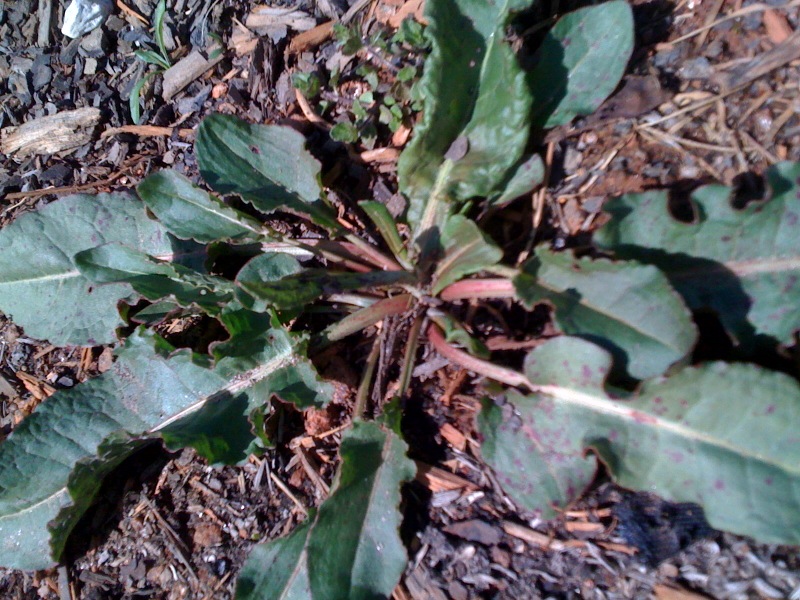 I tweeted this weekend that we were collecting a bunch of chickweed and burdock in our garden work weekend at Rock Star Farms. In my research for this blog article, I’ve found that one of the plants we pulled in abundance is most likely Curly Dock instead. It seems that the original variety of Burdock does not really grow prolifically here in Georgia. It does much better in Canada or even Europe. The medicinal qualities vary a bit too. Luckily, curly dock or yellow dock is a good topical skin type plant. That is the case with many plants of the dock family. Burdock seedpods have a sticky, pointy thorn look over them. These are by natures design ready for pick up by any animal that might brush by. This part of the Burdock plant looks a lot like another weed type plant that does quite well at in our yard. It also has this same design of hitch hiker burrs that are quite the pain to get off a fluffy white long haired dog and not that much easier to fish off a short hair cat. The leaves to this other plant are totally different in shape. We believe it to be cocklebur.
Getting back to plant that we collected the most of, Curly dock it is quite an invasive species in the garden. (which means it takes little to nothing for it to spread like kudzu.) While many of the weeds and grass that we pulled from the garden went into the compost pile, this one was set aside for oil infusion for Dr. Flower. (Compost piles usually should be free of invasive weeds as all the nutrients are like fuel to the fire of promoting them to grow.)
Are you asking why Dr. Flower would want to use this plant? It seems that it has been reported to be very astringent with antioxidant tannins which could be helpful with acne, boils, infected wounds and burns. The leaves of this plant also counteract the stinging from stinging nettles. This can be helpful to know if you are a gardener that has accidently brushed up against a stinging nettle! ouch!
Side note: Wouldn’t it be cool to grow like an invasive weed with a little shot of compost nutrients? Now THAT would be a lot of personal growth! If you are a mother of a teenage boy, you are probably just shaking your head at me about now. It’s okay, I’ll stop it.
We tried tasting some of the root while we were about the kitchen making dinner that night. I found it to be extremely bitter but chewable. Another gal thought it spicy for burdock. She’d made burdock in rice dishes before as it should impart a smoky flavor like meat.
Chickweed
Chickweed was the other weed elevated from weed to treasure status. It is also referred by other names such as starweed and stitchwort. You can tell chickweed by the tiny white star blooms that go with the almost vine or mat looking leaves. What can you do with it you ask? In a lotion or infused oil, this plant can have a cooling 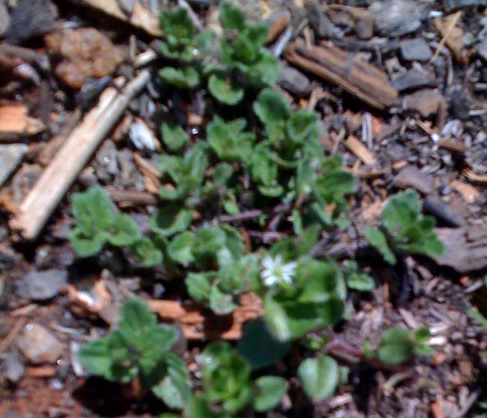 effect on rashes such as eczema, burns, and ulcers. It also is a drawing agent for acne, boils, abscesses and bee stings due to its diuretic action.

This plant can also be eaten in salads as a good source of Vitamin A, C and other storehouse vitamins and minerals such as iron and copper. Keep in mind that dried chickweed has lost most of its medicinal value. Pick it and use it quick as you can to get the natural healthy benefits.
There were a couple of other weeds that were “out and about on the farm” that we were able to identify with a little help from our herbie friends. As we learn more about them, you’ll see a few more posts on them in the coming weeks.
Happy Washing!
~Regina
4 Comments
nursing schools
What a great resource!
Machelle Scripps
The most common place you can get acne is your face, but you can get acne all over your body. I think most people think of acne as a face thing. A lot can be done by cleaning your face well of dirt and oils.
Alene Fredlund
I guess I’m kind of an old fart, but I can’t get behind the concept of molecular cooking. Apparently, neither can Italy. They have introduced a ban on molecular cooking for italian restaurants. What do you think?
admin
Molecular Cooking…that’s a new term for me, Alene. I’ll have to do a little research and get back to you. Thanks for commenting! ~Regina